
Journal
We are constantly working, developing and learning. So much of what we do is the result of years of experience and collaboration with our industry peers. Here, we share some of our process, thoughts and successes.
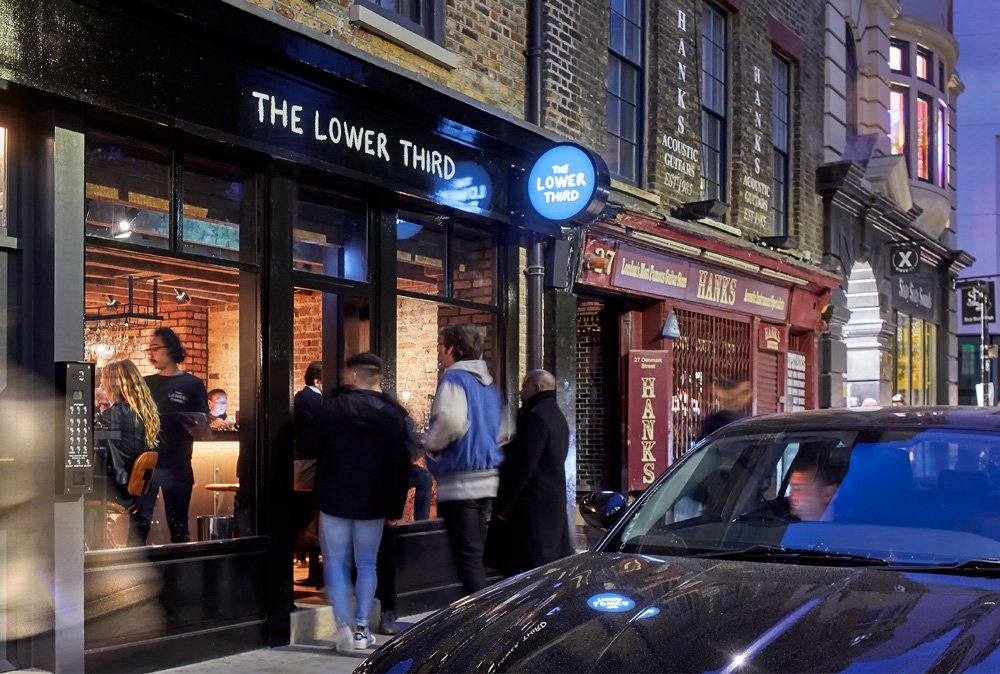
Estates think in blocks. Refurbs still don't.
Most London buildings were designed in isolation. Most are still refurbished in isolation. But London's great estates don't own buildings in isolation. They own blocks. Streets. Squares. Whole neighbourhoods. The structural opportunity that creates is the one only the estates are placed to take.
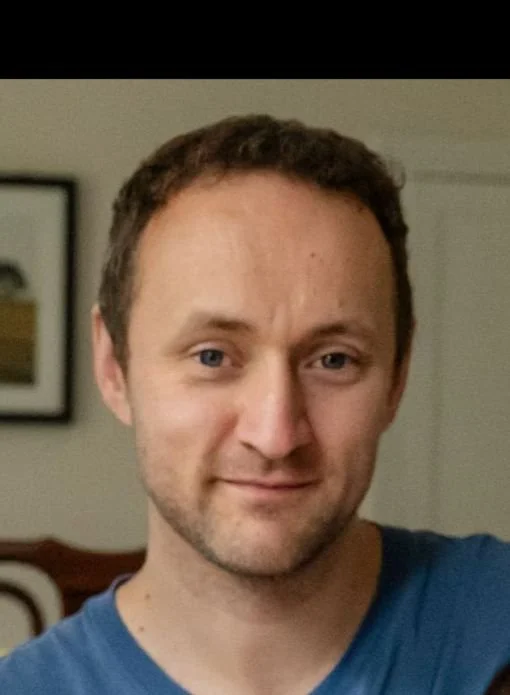
Meet the Team: Peter Turnbull, Structural Engineer
As part of our ‘Meet the Team’ series, we’re continuing to highlight the people behind Bailiss & Co - their experience, perspectives, and the role they play in shaping our projects.
As a Structural Engineer at Bailiss & Co, Peter Turnbull contributes to a wide range of residential and commercial projects, drawing on experience gained from working within multiple sectors.
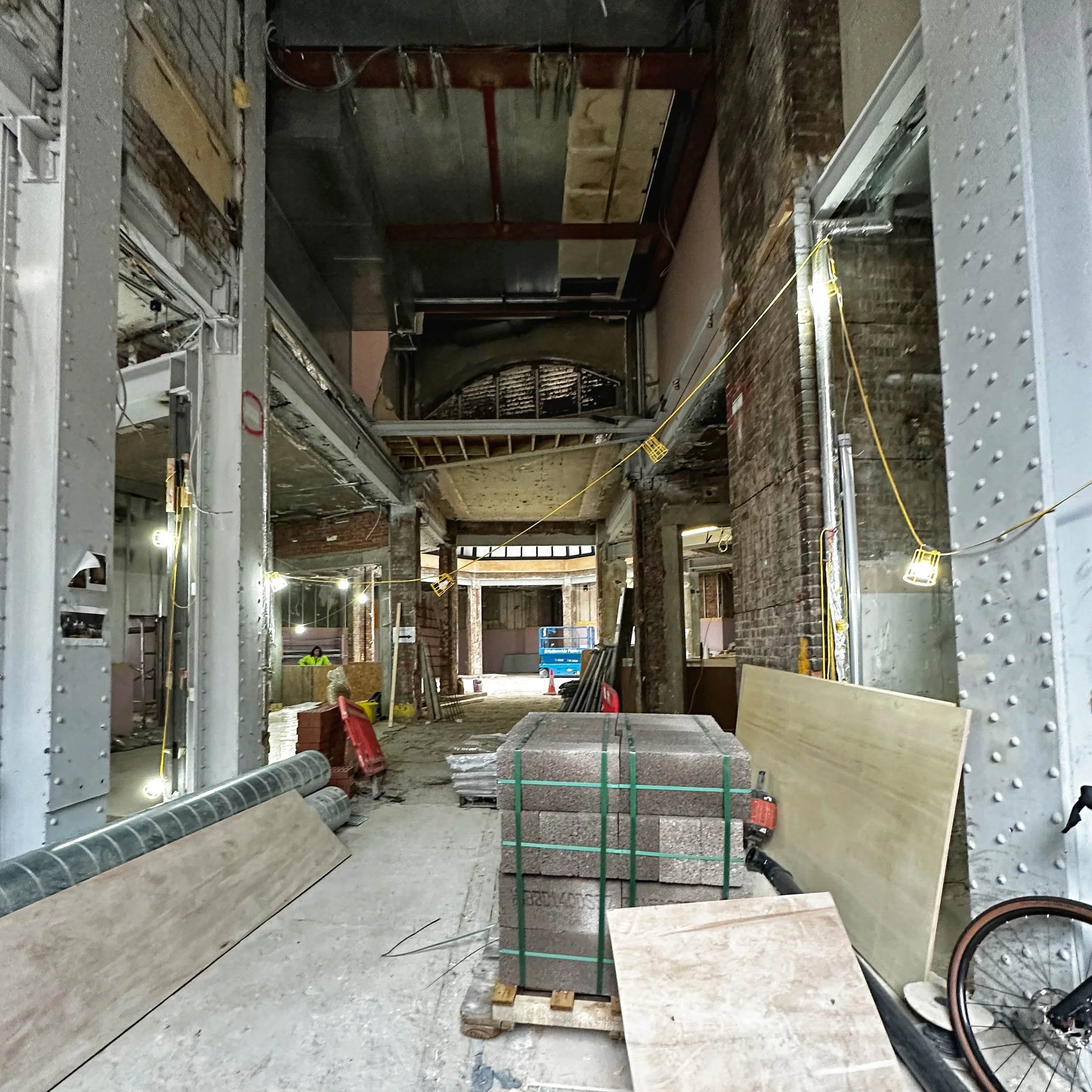
Designing structure around future change
The adage that ‘change is the only constant in life’ is certainly true for buildings. Rarely static for long, what starts as office space may later become residential, retail can turn into workspace, and industrial units may evolve into mixed-use developments. Even if a building has a single use throughout its lifecycle, its layouts and occupancy patterns will shift over time.

Meet the team: Ben Procter, Senior Engineer at Bailiss & Co - engineering with purpose
In the latest instalment of our ‘Meet the Team’ series, we speak to Ben Proctor, Senior Engineer at Bailiss & Co, about engineering with purpose - and the satisfaction of seeing ideas take physical shape.
For many engineers, the most rewarding part of the job isn’t found on a spreadsheet or in a set of drawings - it’s standing on site, watching an idea take physical shape. For Ben, who joined the team at the start of this year, that sense of achievement is what drew him to structural engineering, and what continues to motivate his work.
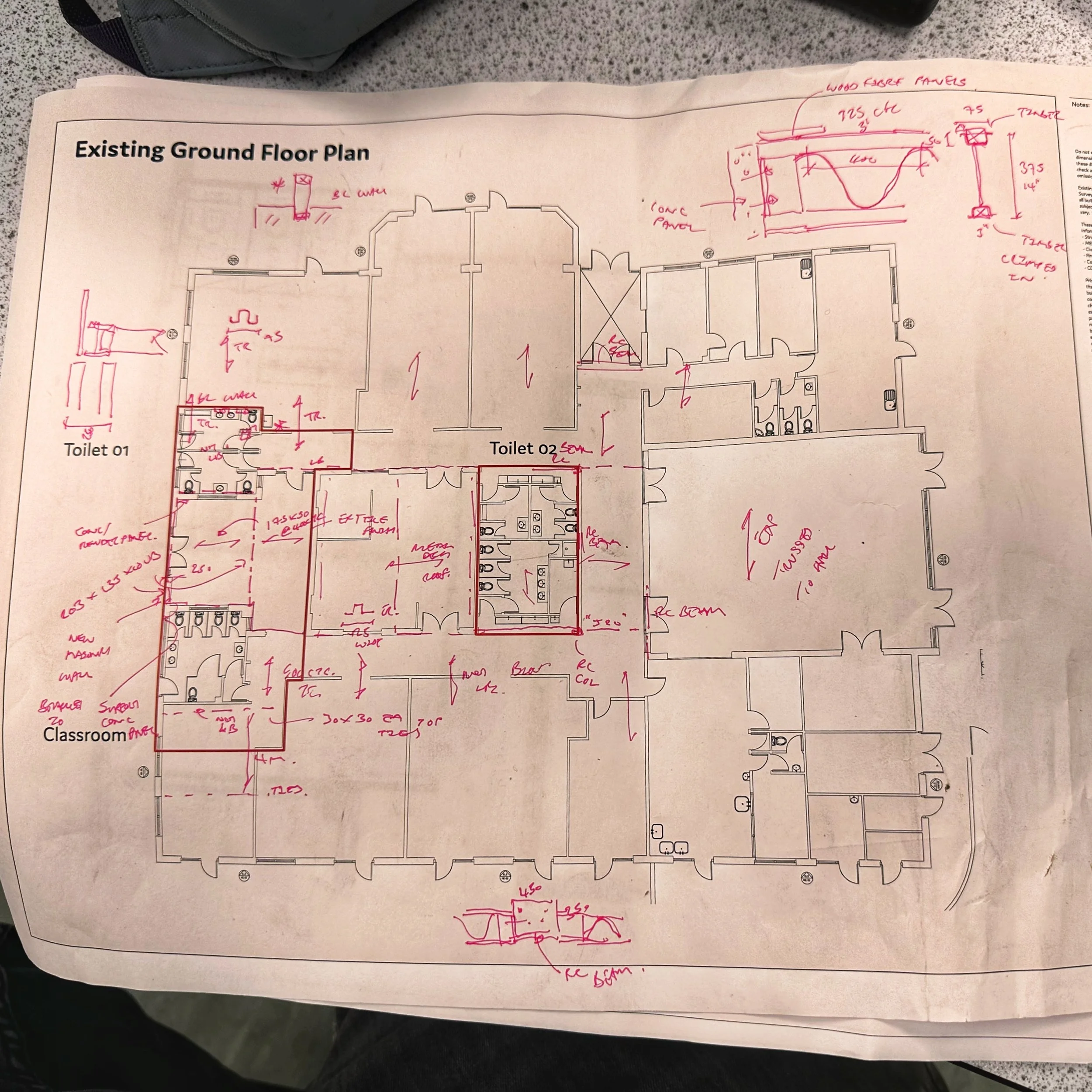
6 Reasons designing for planning success starts with structure
Planning has never been more complex. Between tightening sustainability requirements, growing scrutiny on design quality and increased regulatory pressure, securing consent has become harder, slower and more expensive. For architects and developers, every application can feel like an exercise in risk management.
And yet, one powerful tool for improving planning outcomes is often the least utilised: early structural engineering input.
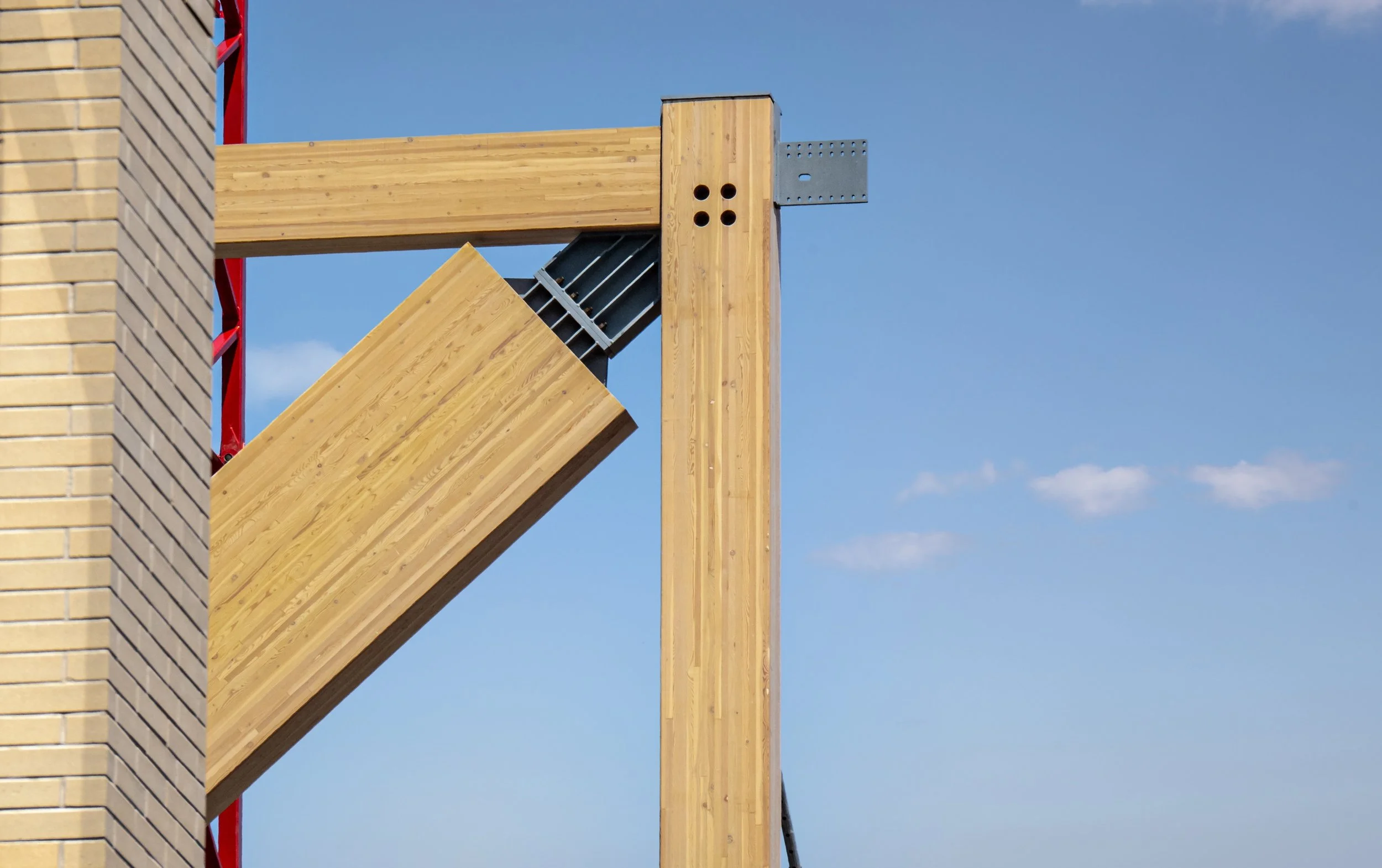
Advice for estate owners considering MMC: 5 must-know tips before you commit
Using Modern Methods of Construction (MMC) as an alternative to - or alongside - traditional methods is increasingly being adopted by estate owners as a way to accelerate delivery, boost efficiency and reduce waste and carbon emissions. Manufacturing or assembling elements of the build off site, under factory conditions, can increase quality control, provide more predictability in terms of cost and build schedule, and minimise on site disruption.
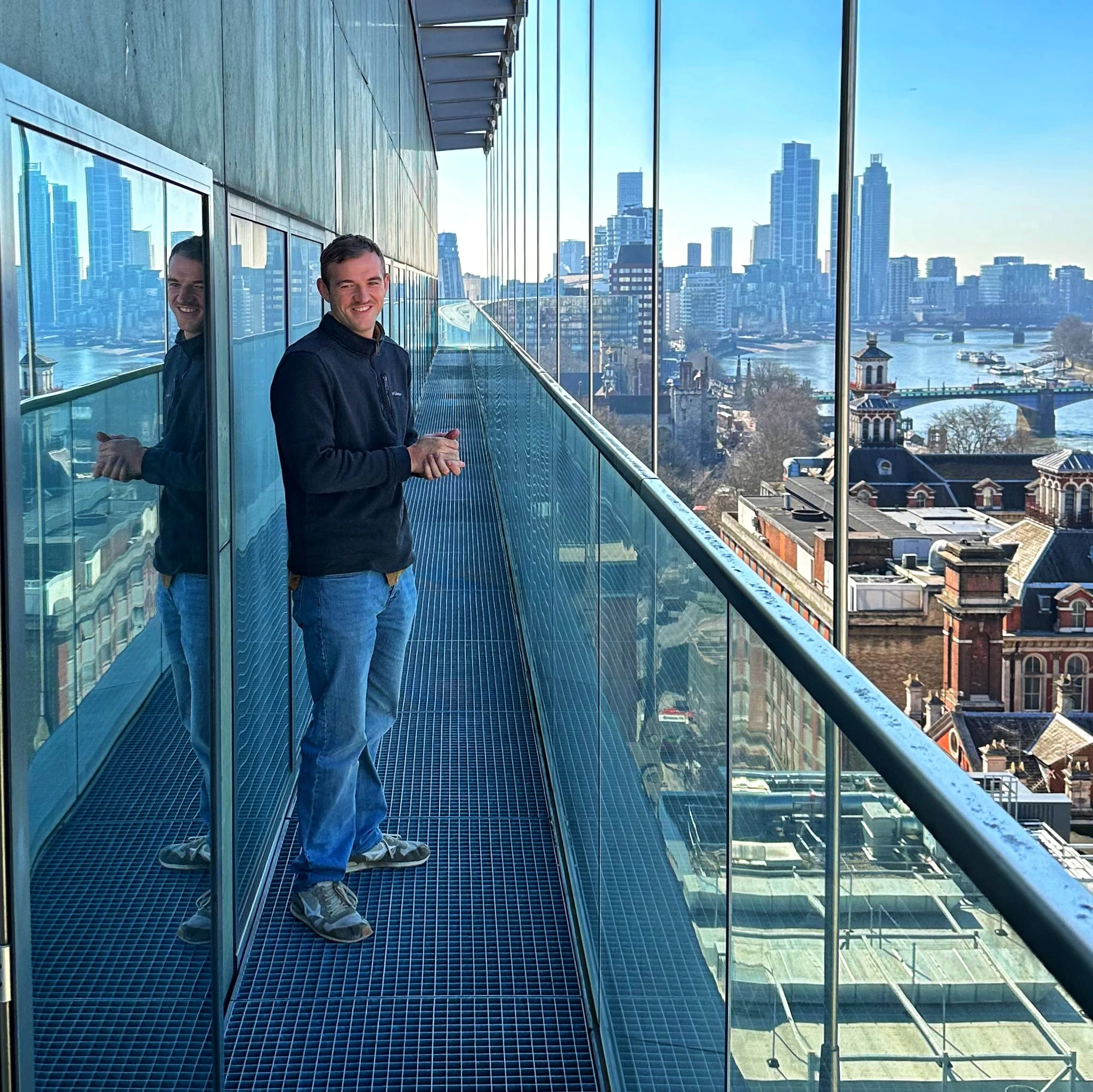
Meet the Team: Matt Branfield, Engineer - Building Smarter Through Collaboration and Curiosity
In the second part of our ‘Meet the team’ series, Matt Branfield, Engineer at Bailiss & Co, talks about what inspired him to pursue a career in engineering and why curiosity and collaboration provide the foundation for delivering successful projects.

Can this building be saved? Shaping retrofit success
Retaining and reusing existing buildings is a central pillar of every credible decarbonisation strategy. But while the environmental argument is clear, the practical reality is complex. Determining whether a structure can be reused - and how far it can be adapted - is where sustainability moves from aspiration to execution. That decision point arrives much earlier than most clients realise, as John Bailiss, Founder of Bailiss & Co explains: “By the time you’ve fixed a brief, drawn elevations and costed the scheme, the moment of truth has already passed,” he says. “Retrofit success is decided in those first few weeks, when you discover what the building really is.”

Existing, natural, then everything else: why our approach matters
Every project is under pressure. Costs are up, regulations are tightening, and expectations are higher than ever. Developers and architects are trying to deliver more - more performance, more sustainability, more transparency - but often with less time and on tighter budgets.

Meet the Team: John Bailiss, Founder – Honest, Ambitious Engineering
In the first of our new ‘meet the team’ series, John Bailiss, founder of Bailiss & Co., explains why the phrase ‘honest but ambitious engineering’ has shaped how he leads projects, works with clients, and plans for the firm’s future.
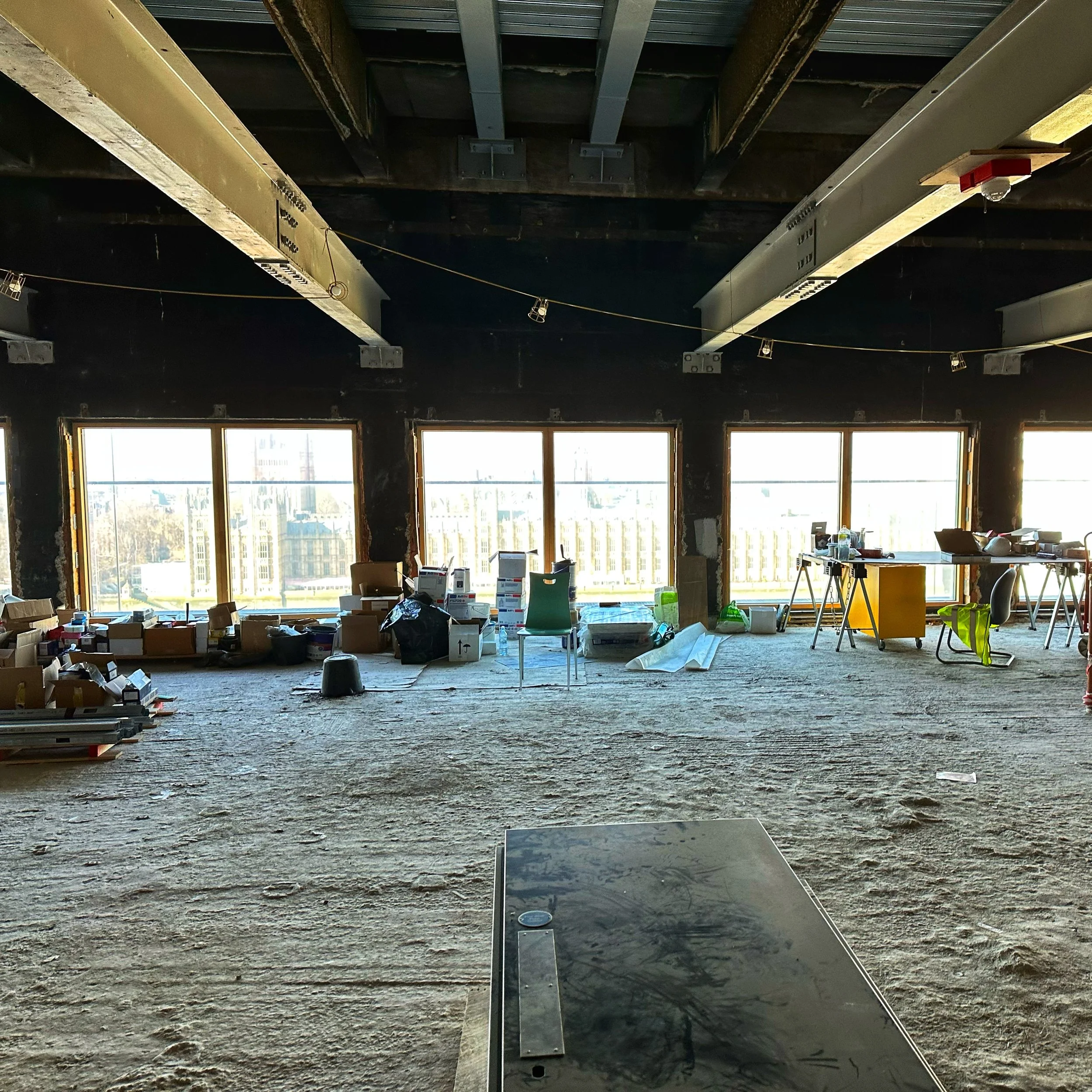
Why early structural decisions protect vision, budget and carbon
Every project starts with ambition – a vision of what the finished building could and should be. But between the first spark of inspiration and the delivery of a completed project, countless decisions shape the outcome. The most important of these are the ones made right at the start.
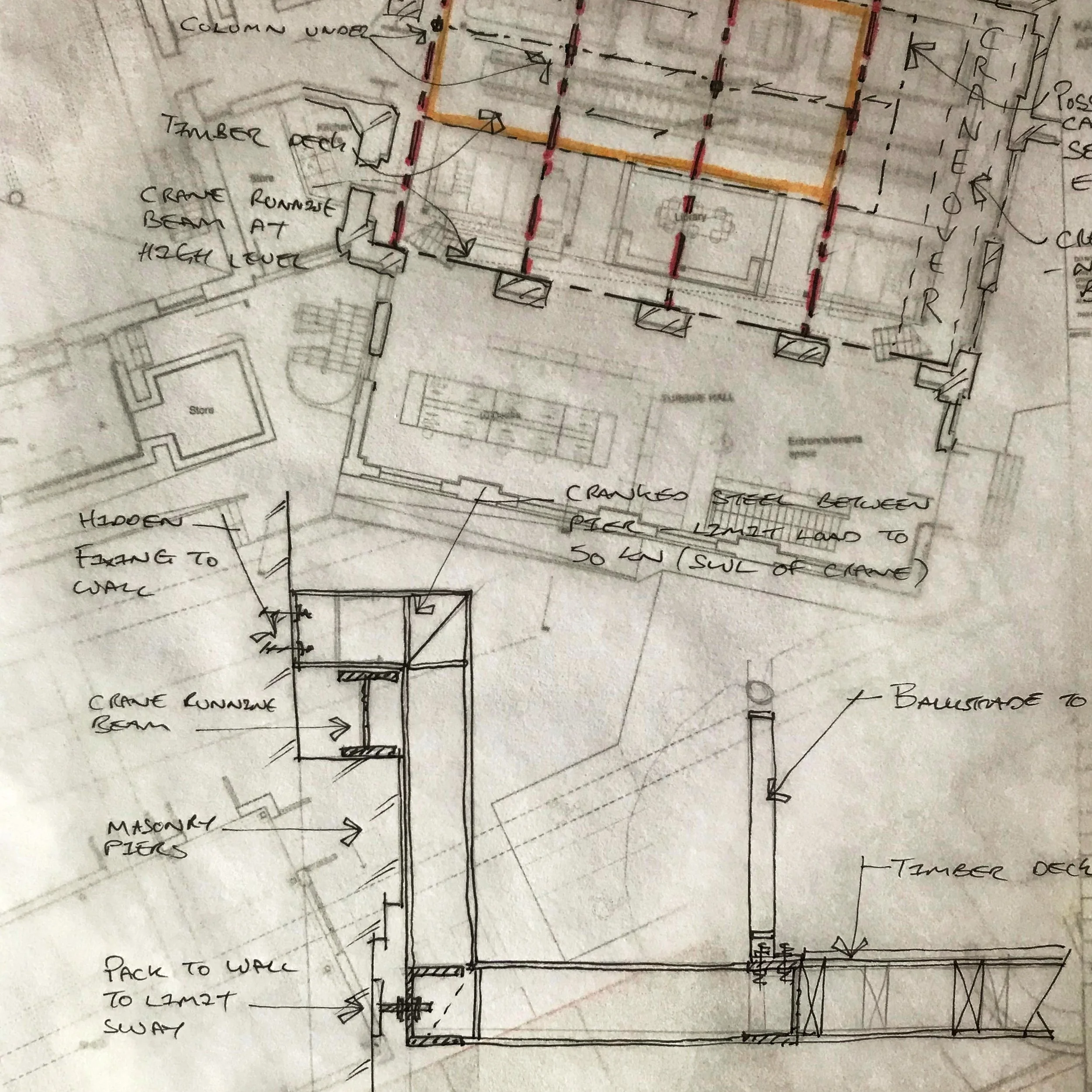
Structural Editor
When people ask what a structural engineer actually does, it can be quite hard to explain.
Frequently used tropes include those of beam designer, keeper of complicated calculations, or an analogy involving a skeleton. There is truth in all of these, but whilst they get to some of the core tenets of what we do, they only represent about half the job.

ST Saviours Achieves Planning
ST Saviours wins planning permission for a considered front extension and re-work.
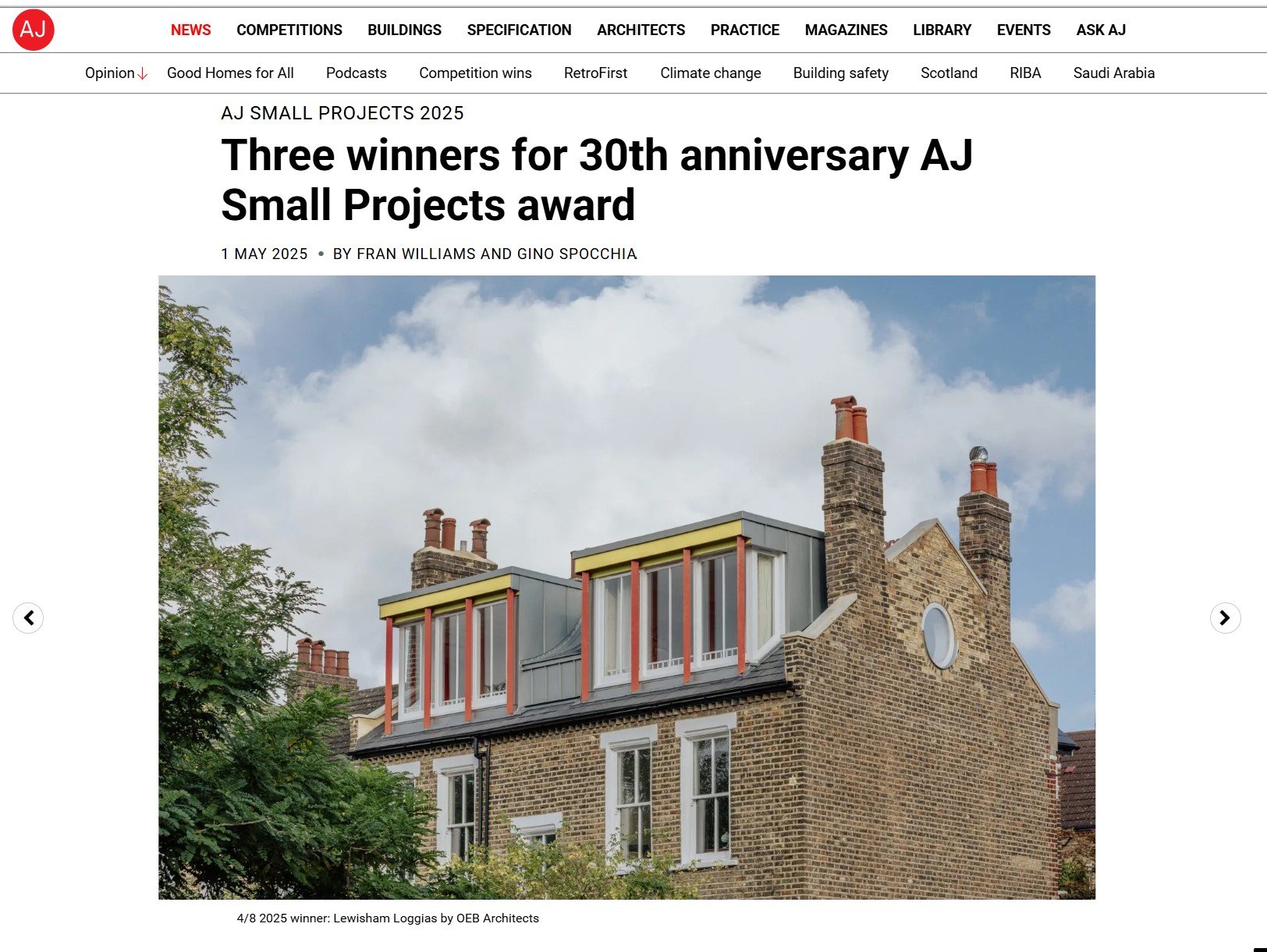
AJ Small Project Award 2025! OEB Architects
AJ Small Projects Award 2025 Win for Lewisham Loggias!

There can be a place like home* (or at least Charles Dickens thought so)
When people know I'm a structural engineer, they often ask my opinion on a potential new home or improvements to their existing one…..

Here LDN / The Lower Third
Really wonderful to see our scheme at Tottenham Court Road, in use and in print…

Remote recruitment: getting it right
Director, John Bailiss, was recently asked to share his thoughts on remote recruitment best practice…

Don’t Build
The more we can prove the value of an existing structure or reuse of a building – the less new build we need…


AntiFurniture
Performance artist Fyodor Pavlov-Andreevich's first UK museum solo presentation opens at @designmuseum in London September 26 (will run until Oct 29)